
Take Back Your Yard!
Call (631) 825-0213 for your free yard inspection in Bayport, NY 11705
Spotted Lantern Fly Spraying Bayport, NY
The Spotted Lantern Fly resembles a moth when it jumps or flies, but in reality, it is neither a fly nor a moth. It is a type of planthopper that belongs to the Order Hemiptera (cicadas, leafhoppers, and aphids). The adults prefer to feed primarily on the non-native host plant “tree of heaven” (Allianthus altissima) while the immature stages (or nymphs) will feed on a wide range of trees, fruits, and even grape vines.
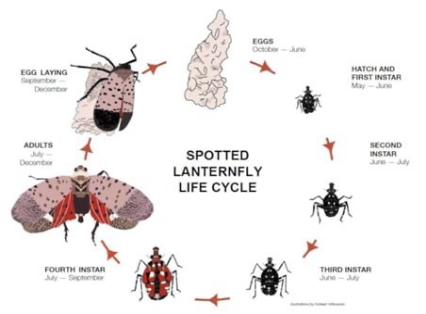
Spotted Lantern Fly egg masses (or clusters of eggs) are brown, seed-like in appearance, and about 1-inch long. They are covered in a mud-like secretion that helps them stay glued to a surface in a mass. After they hatch, the nymphs go through 4 growth phases, or instars. Immature nymphs are black with white spots, and they gain red markings at they mature through the 4th instar. Late stage nymphs are about ½-inch in length. Adult spotted lantern flies are 1-inch long, have brownish forewings with black spots and hindwings that are red with black spots.
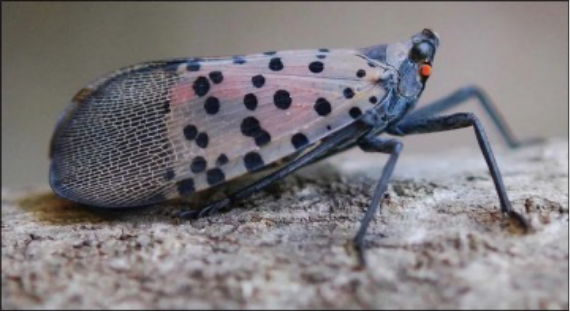
Adult Spotted Lantern Fly Wings Closed
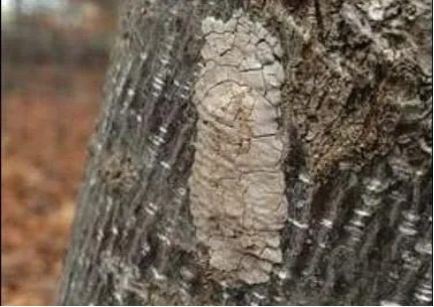
Egg Mass - The Beginning
Call for a Free Estimate:
(631) 825-0213
What Trees Do Spotted Lantern Flies Damage?
Spotted lantern Flies will feed on a variety of host plants from May through November, and their feeding preferences change as they mature. Nymphs will feed on a wide-range of host plants while the adults target only a few species. There are over 65 known species of plants that the SLF will feed on, including ornamental trees (like lilac and dogwood), fruit trees, vines (like grapes), small fruits (such as blueberries), hops, and several vegetables.
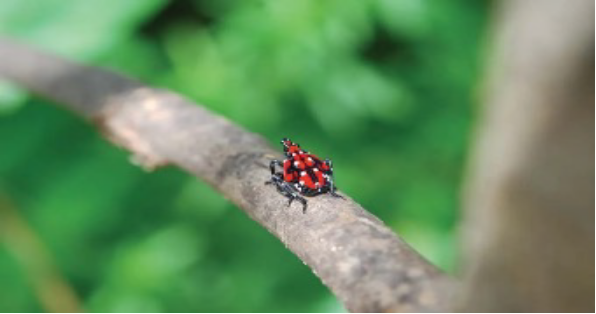
Late Spotted Lantern Fly Nymph
Adult Spotted Lantern Fly Wings Closed
Call for a Free Estimate:
(631) 825-0213
Ecosystem Destruction and Quality of Life Issues:
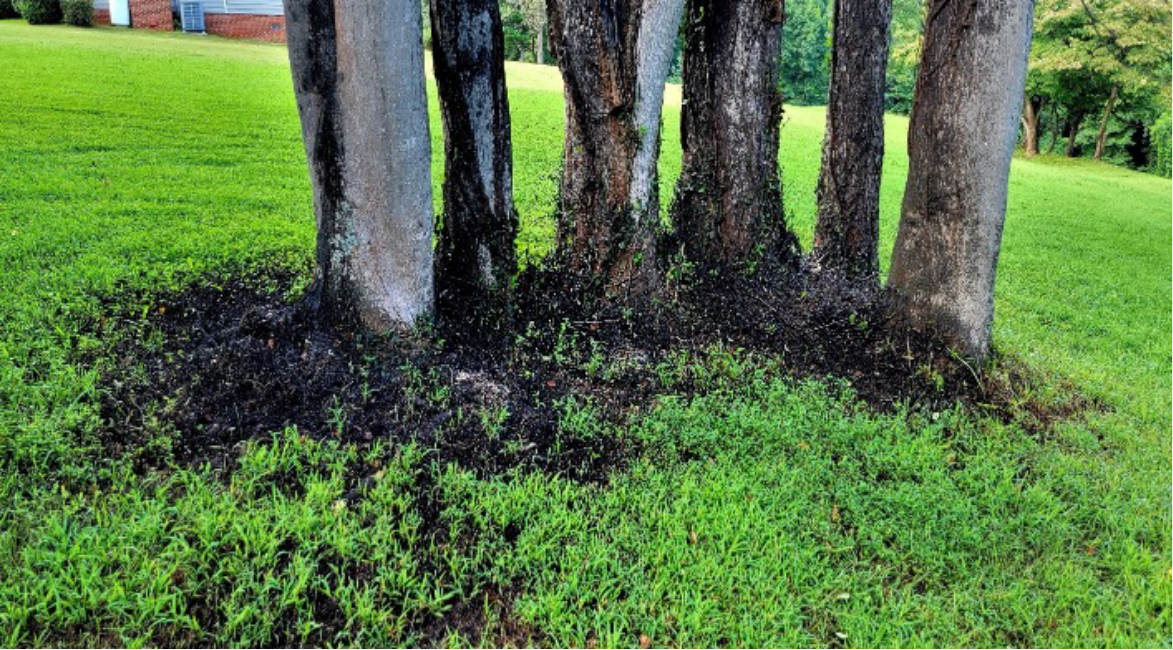
Swarming & Mess: Large swarms cover our trees and our backyards, the honeydew makes outdoor spaces and outdoor furniture and backyard gatherings harder to enjoy because of the mass of insects present. The massive infestation of Spotted Lantern Fly here on Long Island will attract other insects that will do damage to other trees and plants and create an ecosystem where other bugs can thrive. Mosquitoes can be drawn to damp areas where mold grows from the sooty mold itself. This will make our family fun in backyards less enjoyable from the large presence of mosquitoes.
Call for a Free Estimate:
(631) 825-0213
The Spotted Lantern Fly Life-Cycle
Understanding the spotted lantern fly’s life-cycle will help you successfully control and prevent problems. The eggs hatch in late spring. This is usually May, but it can also happen in late April. The nymphs then enter a repeat cycle of going up and down host trees as they go through their 4 instar stages. They will climb the trees to feed, get knocked off by wind or rain, and then climb the tree again. In mid-summer, around July, the nymphs will develop into adults. The adults will then mate, and the females will lay eggs in late summer through early fall. The next generation overwinters as eggs while the adults die in late fall.
How to Control Spotted Lantern Fly with Spraying Control Methods: this involves a two-pronged approach using contact insecticides for immediate knockdown of adults/nymphs and systemic insecticides for long-term control via tree trunk sprays, injections, or root drenches. Key strategies include targeting “Tree of Heaven” hosts, using residual sprays on trunks, and timing applications for late spring/summer.
Call for a Free Estimate:
(631) 825-0213
Key Commercial Control Strategies
Swarming & Mess: Large swarms cover our trees and our backyards, the honeydew makes outdoor spaces and outdoor furniture and backyard gatherings harder to enjoy because of the mass of insects present. The massive infestation of Spotted Lantern Fly here on Long Island will attract other insects that will do damage to other trees and plants and create an ecosystem where other bugs can thrive. Mosquitoes can be drawn to damp areas where mold grows from the sooty mold itself. This will make our family fun in backyards less enjoyable from the large presence of mosquitoes.
- Systemic Insecticides (Best Long-Term): These are best applied in spring/summer to protect trees, particularly in high-infestation areas.
- Contact Insecticides (Immediate Knockdown): are effective for treating nymphs and adults on contact.
- Targeting Host Trees: Focus treatments on the Tree of Heaven (Ailanthus altissima).
- Application Timing & Methods: Spray tree trunks several feet up and apply to foliage/shrubbery. Use bark sprays, trunk injections, or root drenches, especially in June-August.
- Safety and Regulations: Always hire a licensed professional like Spotted Lantern Fly Spraying and Control Long Island for your applications, ensuring compliance with local, state, and federal regulations to avoid harming non-target organisms.
Contact us by phone here on Long Island for a Free Property Evaluation:
(631) 825-0213